Cardiff Celebrates Raksha Bandhan with Armed and Emergency Services
A heartfelt tribute to protectors of society through the sacred festival of gratitude and unity
Understanding Raksha Bandhan: A Festival of Protection and Gratitude
Raksha Bandhan, a widely celebrated Hindu festival, means “the bond of protection.” Traditionally, it is a day when a sister ties a rakhi (a decorative thread or bracelet) around her brother’s wrist, symbolising her love and prayers for his well-being, while the brother promises to protect her.
In recent times, this festival has evolved beyond the familial bond to express appreciation toward those who selflessly protect society — such as members of the armed forces, police, fire services, and emergency responders. Tying a rakhi to these individuals serves as both a symbolic blessing and a token of heartfelt gratitude from the community.
Celebrating with Purpose: Cardiff Bhoomi Balagokulam and Hindu Council of Wales
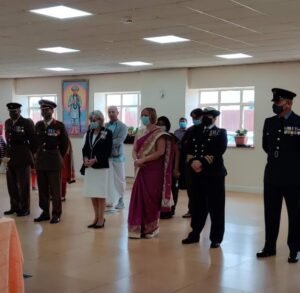
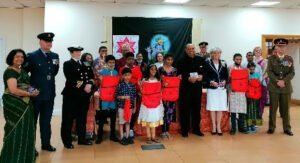
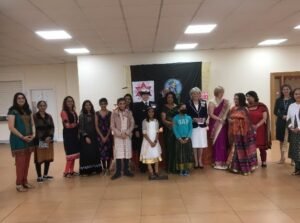
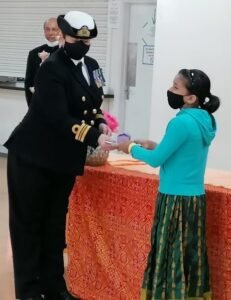
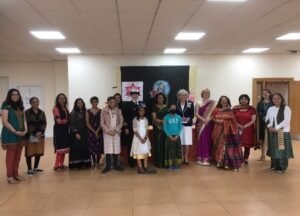
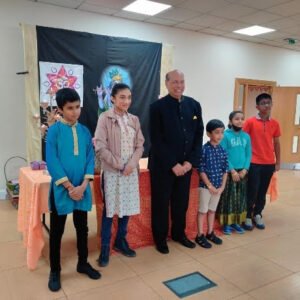
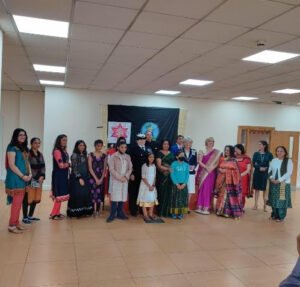
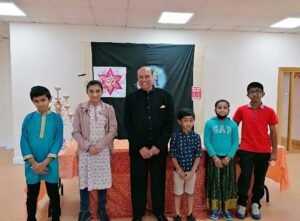
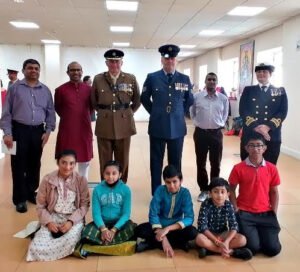
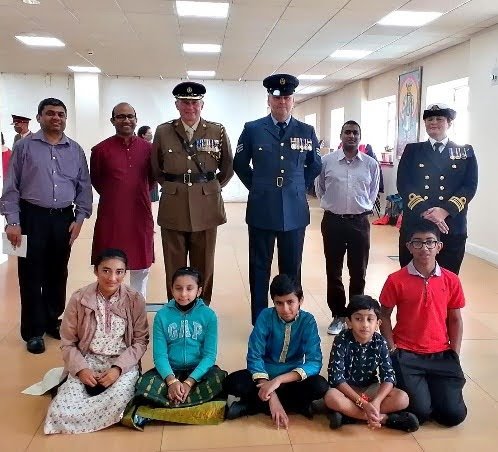
On 22nd August, Cardiff Bhoomi Balagokulam (a children’s cultural and values-based group) in collaboration with the Hindu Council of Wales, hosted a Raksha Bandhan celebration at Santan Mandal, a community and cultural centre. The event was attended by members of the Armed Forces and Emergency Services, who were honoured for their unwavering commitment to serving the public.
The choice to involve these frontline service members highlights the deeper meaning of Raksha Bandhan — a two-way promise of protection and mutual respect between the community and its defenders.
Tying the Rakhi: A Gesture of Unity and Respect
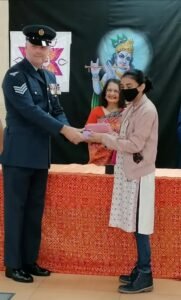
During the celebration, rakhis were tied onto the wrists of the attending servicemen and women by volunteers and young participants. This simple but powerful act symbolised:
-
Protection and service: A reminder of the promise made by those in uniform to safeguard the community
-
Gratitude and acknowledgment: A public “thank you” for their tireless and often unseen contributions
-
Unity and harmony: Strengthening bonds between diverse communities and those who serve them
The act of tying the rakhi thus became more than tradition — it was a shared moment of recognition and human connection.
Recognising Past Contributions: Workshops During Lockdown
This event was also an opportunity to express appreciation for the Armed Forces’ ongoing support to the community, particularly during the COVID-19 lockdown. Members of the Armed Services had generously hosted four online workshops for Balagokulam (BG) kids during that challenging period.
These sessions helped keep children engaged, active, and connected with their cultural roots, all while learning about values such as discipline, service, and resilience — values personified by the workshop hosts themselves.
By acknowledging these contributions, the Raksha Bandhan celebration became not only a moment of festivity but also one of reflection and sincere thanks.
Building a Stronger Community Through Culture
The collaboration between Cardiff Bhoomi and the Hindu Council of Wales is a prime example of how cultural events can bring together different parts of society. Events like these:
-
Educate children and families about the meaning behind their traditions
-
Foster stronger relationships between minority communities and public service institutions
-
Highlight the role of gratitude and civic responsibility in cultural celebrations
Such initiatives help ensure that festivals like Raksha Bandhan remain vibrant, relevant, and inclusive — serving not just as a celebration of tradition, but also as a vehicle for community building.
Conclusion: A Timeless Festival, a Modern Message
Cardiff’s Raksha Bandhan celebration stood as a beautiful reminder that culture, when shared with sincerity and openness, can become a bridge between hearts and institutions. By honouring those who serve with a simple rakhi, the community reaffirmed its values of respect, unity, and gratitude — making this age-old festival more meaningful than ever in today’s world.