HSS UK Reading Branch Explore Renewable Energy
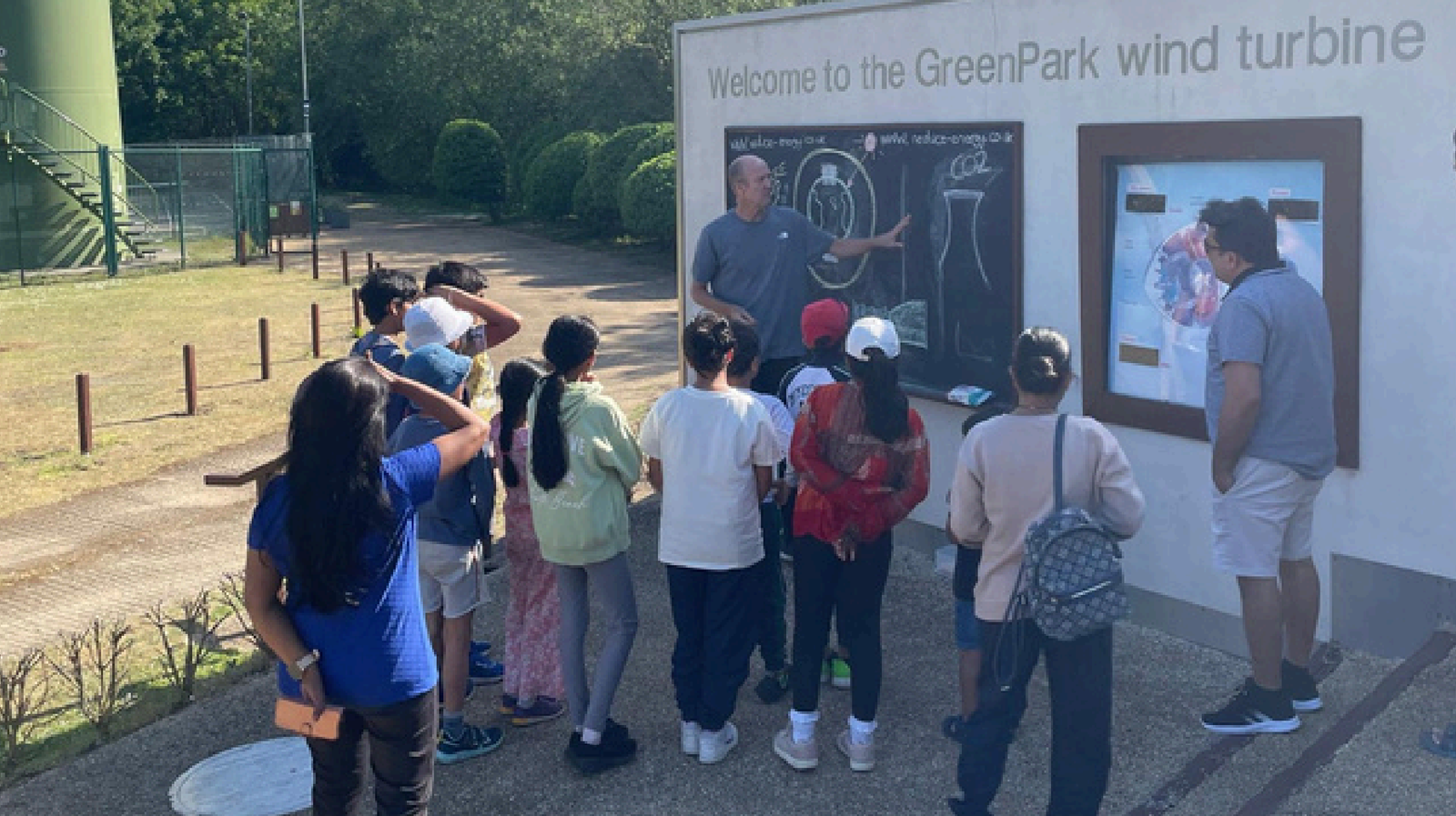
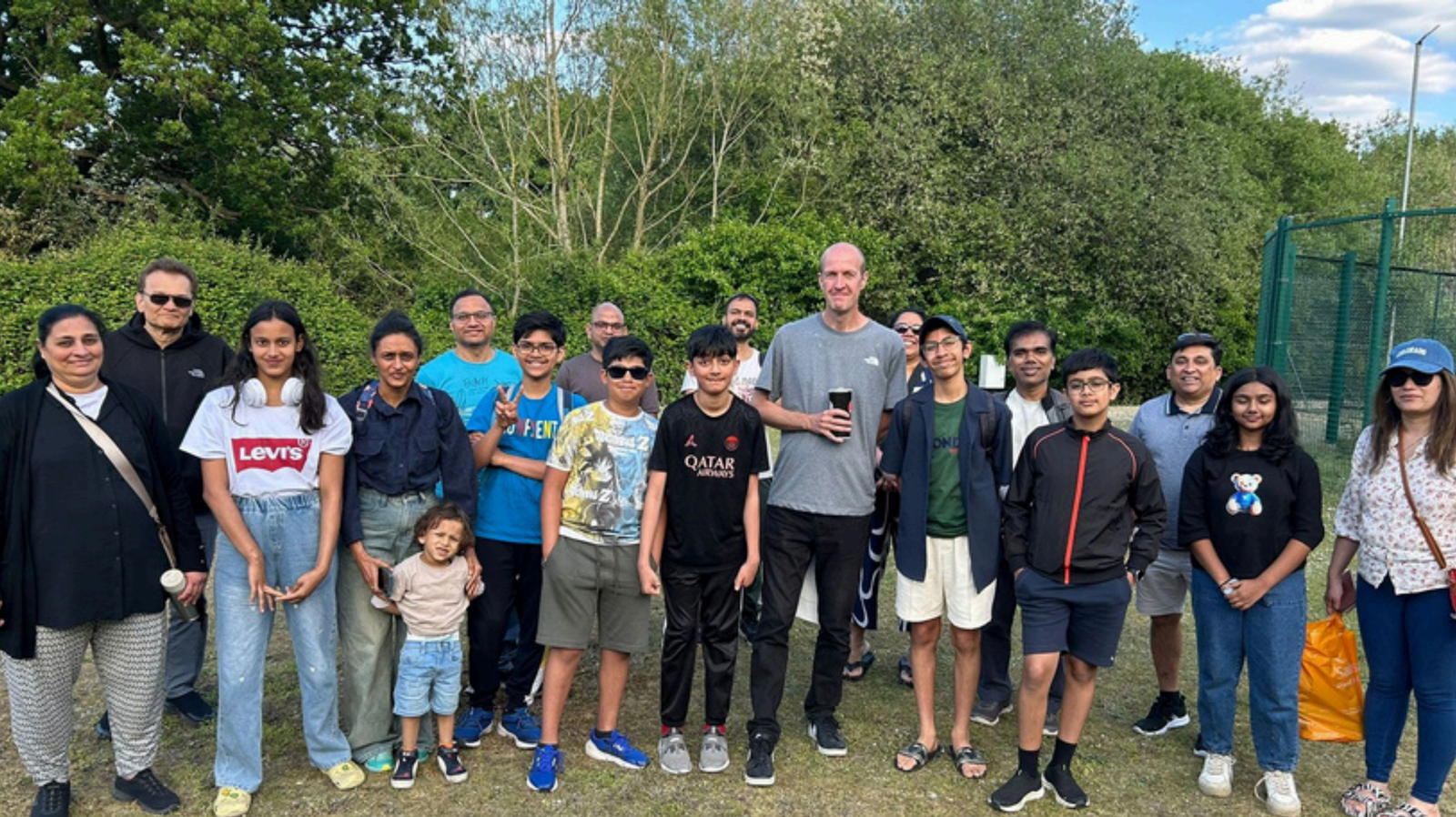
On 10th May 2025, a group of enthusiastic young learners from the Reading branch of HSS UK embarked on an inspiring educational journey to the Wind Turbine facility at Green Park, Reading. The visit provided a unique opportunity for children aged 8 to 14 to explore the world of renewable energy and gain a deeper understanding of its crucial role in shaping a sustainable future. This initiative not only promoted scientific learning but also reflected the Hindu ethos of seva (selfless service) and dharma (righteous living), encouraging the youth to view sustainability as a sacred duty toward Bhoomi Devi (Mother Earth).
The highlight of the visit was an engaging and age-appropriate educational session led by the Site Operations Manager, a seasoned expert in the renewable energy sector. The session was enriched with fascinating facts, live demonstrations, and interactive discussions that brought the science behind wind turbines to life. The children were particularly inspired by the idea that human innovation can work in harmony with nature, which mirrors key teachings in Hindu philosophy. These teachings emphasise the importance of living in balance with the environment and recognising the interconnectedness of all life.
Following the visit, the children of HSS UK Reading took part in an interactive workshop that extended the learning through visual aids and further exploration of renewable energy sources. This session beautifully wove together scientific knowledge with Hindu teachings on environmental awareness and stewardship. Discussions drew meaningful connections between modern concepts of sustainability and ancient Hindu principles, particularly the concept of Prakriti (nature) as described in the Hindu scripture Bhagavad Gita. Here, Lord Krishna speaks of the divine presence within the natural world, reminding us that to harm the environment is to disrespect the divine.
The children also explored values such as aparigraha (non-possessiveness) and santosha (contentment), learning how these principles can guide daily decisions that benefit the planet. The session concluded with the chanting of a Sanskrit shloka and a thoughtful group reflection on individual actions they could take to care for the environment. These included practical steps such as conserving electricity, reducing waste, and planting trees. By blending scientific inquiry with spiritual reflection, the entire experience served as a powerful reminder that environmental care is both a modern necessity and a timeless Hindu responsibility.