Bringing Yoga and Mindfulness into the Classroom
HSS (UK) Supports Park Primary School’s Wellbeing Week
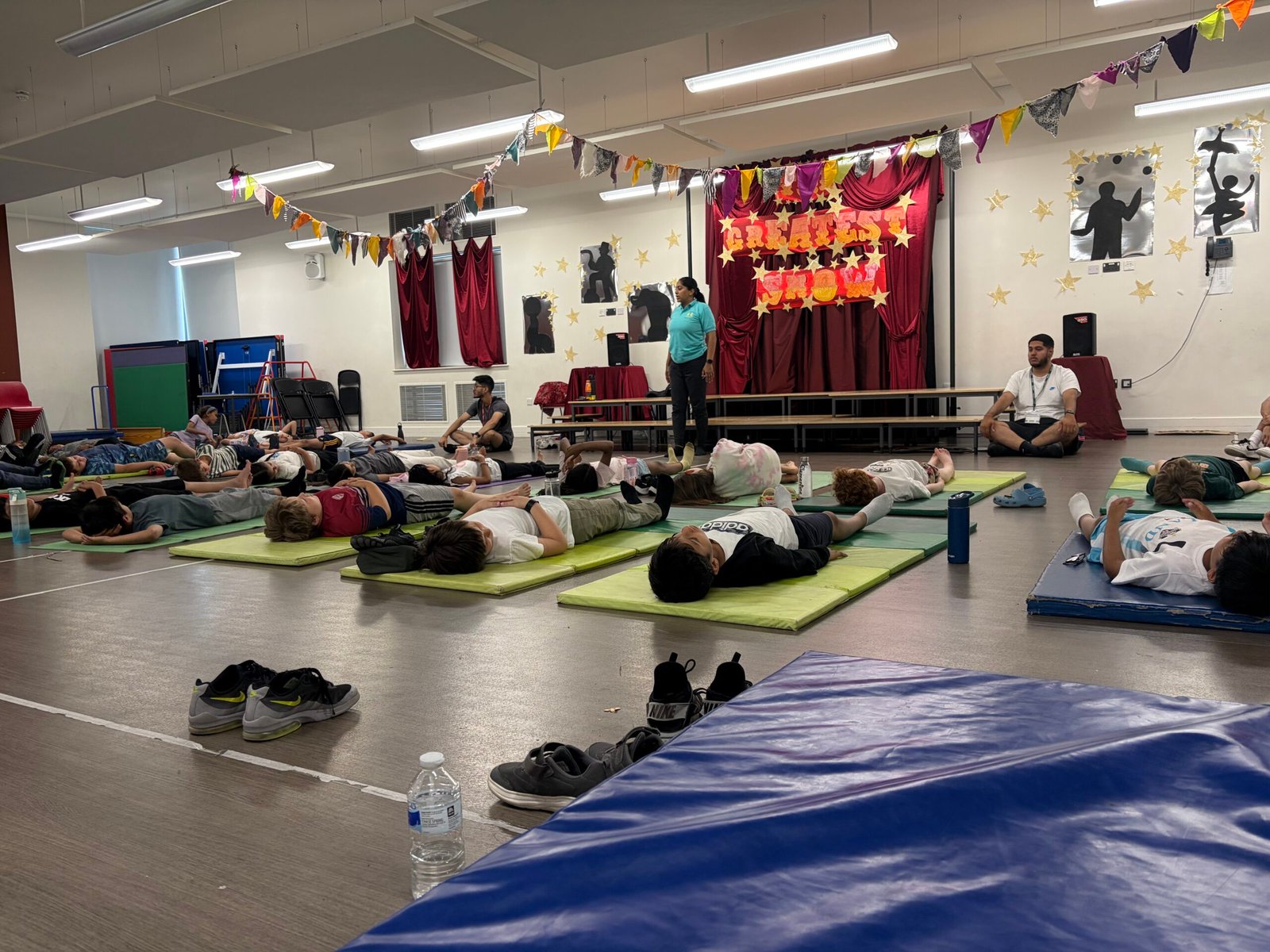
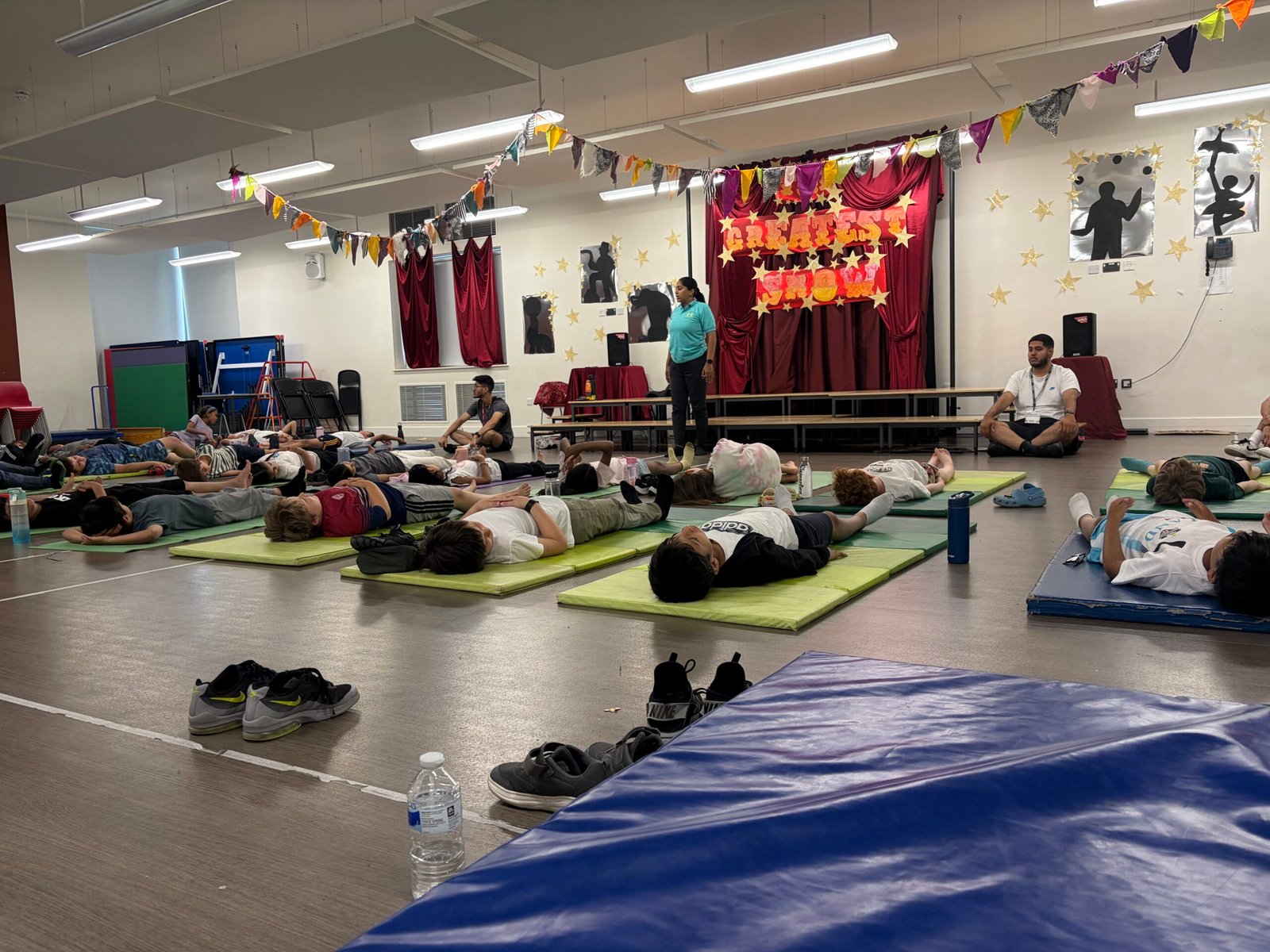
As part of Park Primary School’s Wellbeing Week, four members of HSS (UK) from the Newham Branch of Hindu Swayamsevak Sangh (UK)—Trishul Bhudia, Nayan Bhudia, Jainil Patel, and Sangita Thakkar—visited the school to lead yoga and breathing sessions for all Year 3 and Year 4 classes.
Hindu Swayamsevak Sangh (UK), commonly known as HSS (UK), is a voluntary cultural and community organisation that promotes personal development, wellbeing, family values, community service, and active citizenship across the United Kingdom. Yoga and physical wellbeing form an important part of its activities, providing opportunities for people of all ages to experience practices rooted in India’s cultural heritage.
Introducing Children to the Benefits of Yoga
Across a series of 30-minute workshops, the children and their teachers were introduced to around six foundational yoga postures, followed by simple breathing exercises.
Yoga originated in India and has been practised for thousands of years as a holistic approach to physical, mental, and emotional wellbeing. While yoga is widely recognised today for its physical benefits, its traditional approach also places importance on concentration, self-awareness, breathing, relaxation, and developing a balanced mind.
The sessions were designed to introduce these ideas in a simple and accessible way, particularly focusing on how breathing and mindful movement can help children manage everyday experiences such as frustration, restlessness, and difficulty settling down for sleep.
Enthusiasm from the Students
The children’s enthusiasm was evident from the moment the sessions began. Many students excitedly shared that they had tried yoga before and were keen to learn new exercises.
Their engagement remained high throughout the workshops, with children actively participating in the postures and following the breathing exercises.
The breathing activity at the end of each session proved especially popular. Both students and teachers commented on the noticeable sense of calm and relaxation that followed the exercise.
For children, learning simple breathing techniques can provide them with a practical tool they can use when they feel overwhelmed, frustrated, or need a moment to refocus.
A Practical Tool for the Classroom
The teachers also found the session particularly useful. Several mentioned that they planned to incorporate the breathing technique into the school day, including after lunchtime, to help children settle and prepare themselves for the next part of their learning.
This was a valuable outcome of the initiative, demonstrating how a simple practice can potentially become part of everyday classroom routines.
Rather than presenting yoga simply as a physical activity, the sessions introduced children to the connection between movement, breathing, concentration, and emotional wellbeing.
Sharing India’s Yoga Heritage
Yoga is one of India’s most significant cultural contributions to the world and is now practised by people of many backgrounds and traditions. Its growing popularity globally has created opportunities to share not only the physical techniques but also the broader principles of balance, awareness, discipline, and wellbeing associated with the tradition.
For HSS (UK), introducing children to yoga also provides an opportunity to share an aspect of Hindu and Indian heritage in a way that is relevant to contemporary life and beneficial to the wider community.
The day was ultimately a joyful example of how cultural exchange and community engagement can support children’s wellbeing. By bringing yoga and simple breathing practices into the school environment, the initiative encouraged young people to develop greater awareness, calmness, and confidence, while giving teachers practical tools that they can continue using beyond the sessions.
It was a rewarding day of sharing knowledge, strengthening community connections, and helping young people discover simple ways to support their own wellbeing.